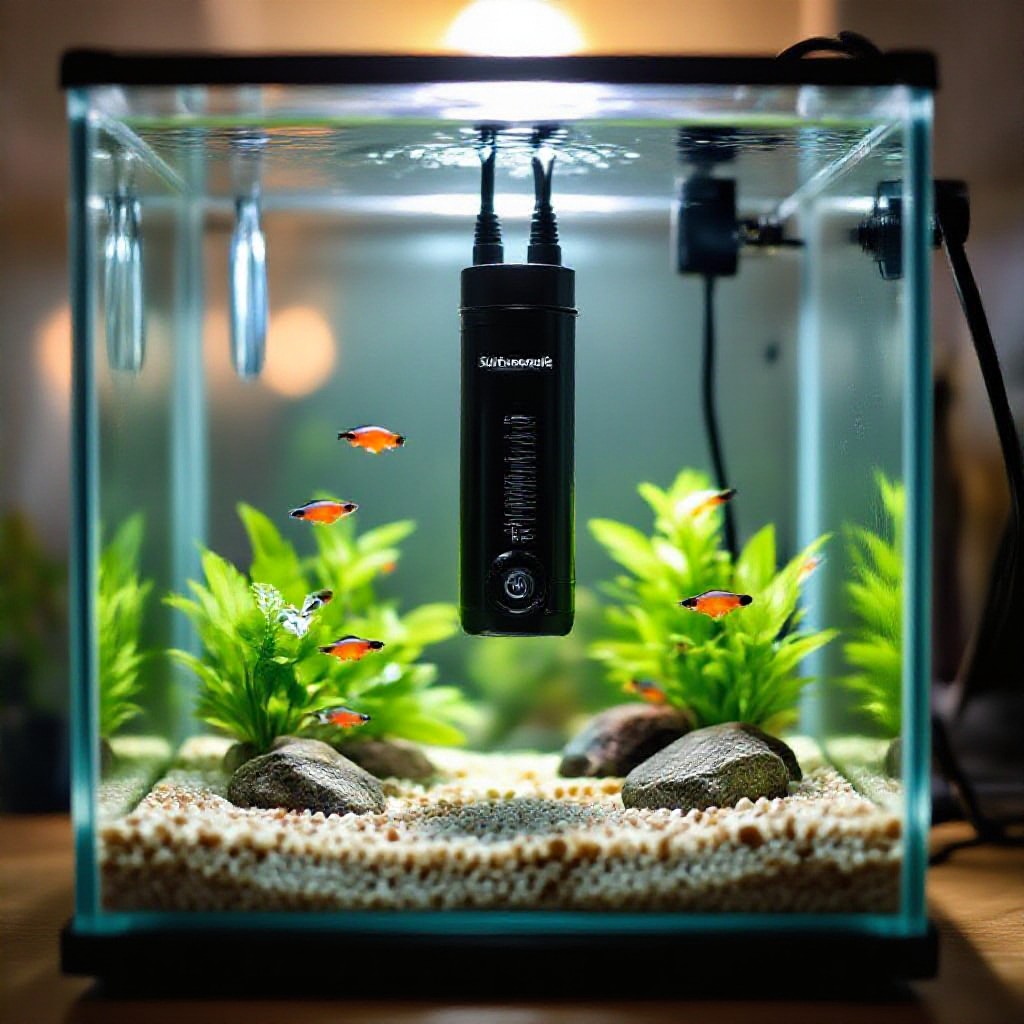
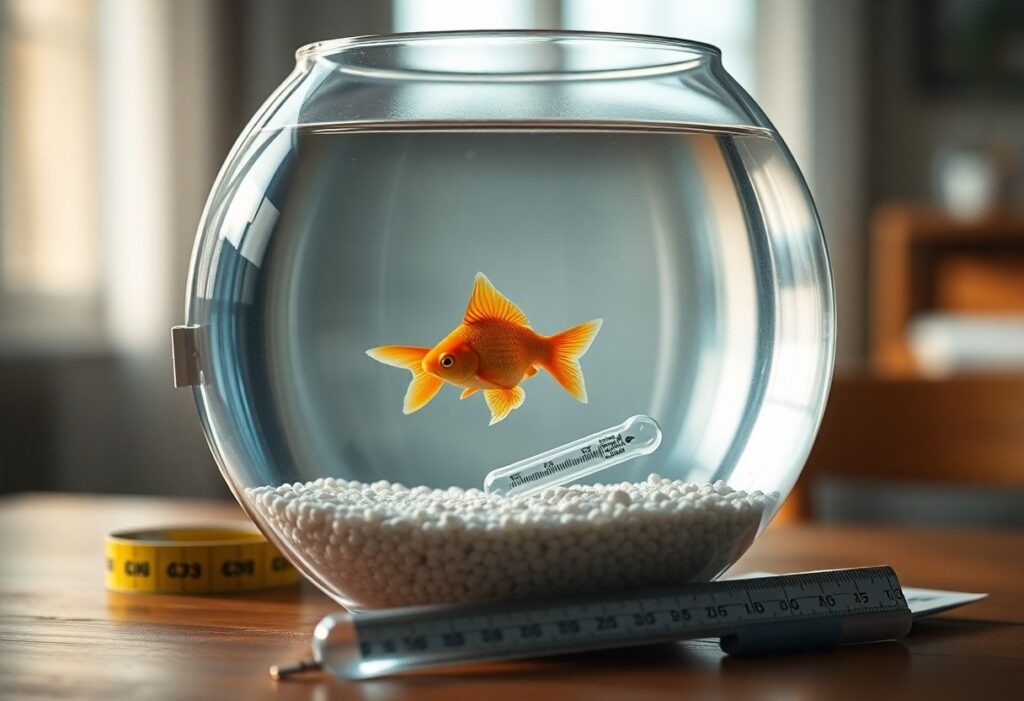
A 50 watt fish tank heater can be appropriate for some small aquariums, but wattage is not a universal tank-size answer. The safe fit depends on the exact heater’s manufacturer rating, the aquarium volume, the desired water temperature, the room’s lowest temperature, and how much heat the aquarium loses.
Read the exact model rating first
Heaters with the same wattage may have different published ranges and controls. Treat the manual and product label as the governing source for installation, water-level limits, and intended aquarium size. A heater’s wattage tells you its heating capacity, not whether it is automatically safe for every tank of a certain volume.
Use a separate thermometer
Set the heater according to the model instructions, then monitor the aquarium with a separate thermometer located away from the heater. Check it at different times of day for the first several days. Room temperatures can change overnight or with air conditioning, so a single initial reading is not enough.
Placement and electrical safety
Install the heater where water circulation can distribute heat, but only in the orientation and depth allowed by the manual. Keep a drip loop on every cord, unplug equipment before maintenance, and do not run a heater dry. Inspect it for damage and stop using it if the manufacturer instructions indicate a fault or if temperature control becomes unreliable.
When to rethink the setup
If the heater repeatedly cannot maintain stable temperature, do not simply raise the setting without investigation. Verify the thermometer, inspect the room conditions, check whether the model is rated for the situation, and consider professional guidance. Larger aquariums may use more than one heater for redundancy, but that is a system decision that should follow the manufacturer’s guidance and appropriate monitoring.
Related guides
- What size fish tank heater?
- Where should an aquarium heater be placed?
- Can fish tank heaters be fully submerged?
50 Watt Heater FAQs
Is 50 watts right for a 10 gallon tank?
It may be within the intended range for some models and conditions, but the answer must come from that heater’s rating and the room temperature. Check the manufacturer documentation, use a separate thermometer, and do not generalize from another brand’s chart.
Can I use a higher-watt heater just because it has a thermostat?
A thermostat is a control, not a substitute for selecting an appropriate product and monitoring it. Choose equipment rated for the aquarium and check the actual temperature independently, especially during the first days after installation.
Where should the thermometer go?
Place it where it measures the broader aquarium rather than right beside the heater. This makes it more useful for checking whether heat is circulating. Follow the thermometer instructions and compare readings consistently before making adjustments.