Over time, many have believed a fish bowl is a suitable home for pet fish, but most fish cannot live comfortably or healthily in bowls. Limited space, poor water quality, and lack of filtration create dangerous living conditions that shorten lifespans. You can provide a better life with a properly sized, filtered aquarium that supports natural behaviors and long-term health.
Key Takeaways:
- Fish bowls lack the space and filtration needed for most fish to thrive, leading to stunted growth and poor health.
- Commonly kept bowl fish like bettas require warm, clean water and space to swim, conditions bowls rarely provide.
- Ammonia buildup occurs quickly in small, unfiltered environments like bowls, endangering fish with toxic water conditions.
- Fish exhibit natural behaviors such as foraging and exploring, which are severely limited in confined bowl habitats.
- Experts recommend tanks of at least five gallons with proper filtration and heating for fish commonly sold for bowls.
The Round Prison
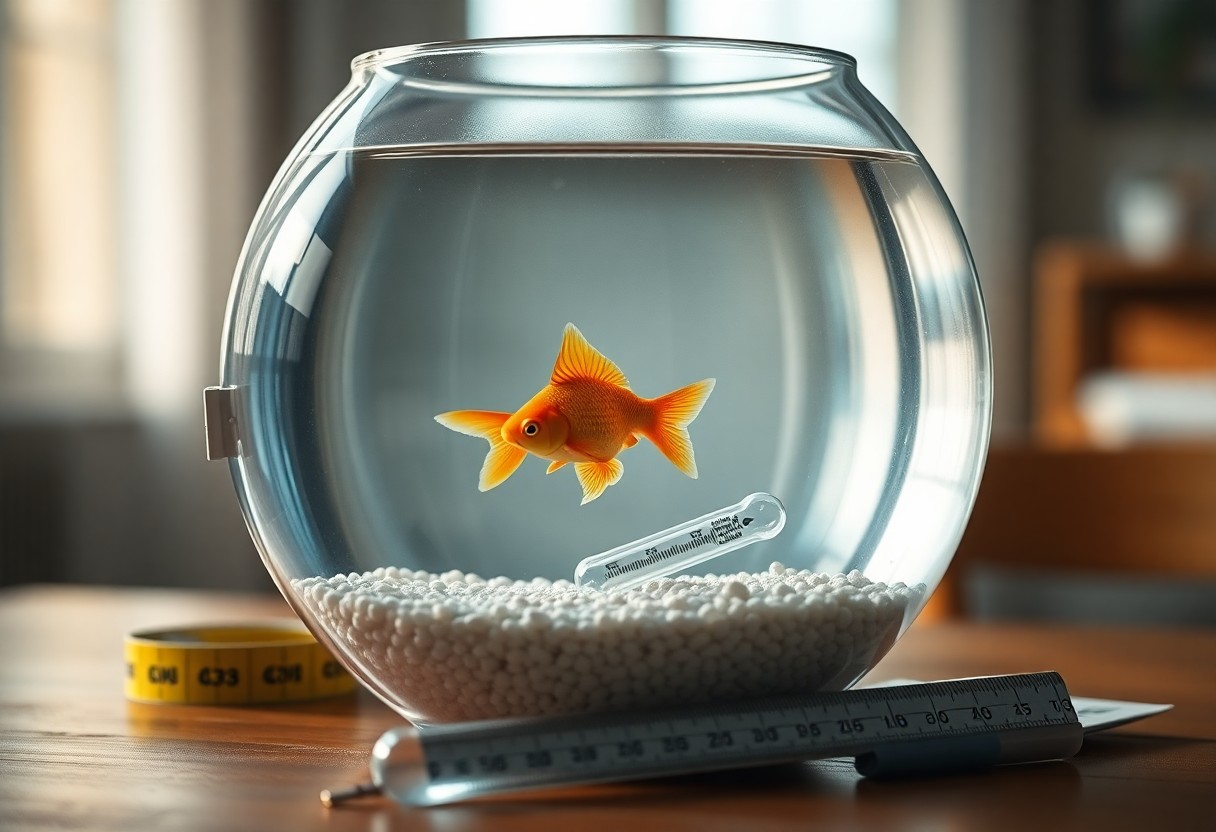
You see the curved glass walls of a fish bowl as decorative, but your fish experiences it as a distorted, disorienting prison. Light bends unnaturally, creating visual stress with every movement. There’s no room to swim properly, and the lack of filtration traps waste, poisoning the water. Your fish isn’t just uncomfortable-it’s likely to experience chronic stress and poor oxygen conditions.
The Thin Air
You rarely think about oxygen when staring at a fish in a bowl, but surface area determines how much oxygen enters the water. Small bowls limit air exchange, leaving fish gasping at the top. Without proper circulation, toxins build up fast and oxygen plummets. Your fish may become uncomfortable and struggle when oxygen is low.
The Bitter Water
You might not realize how quickly a fish bowl turns toxic. Without filtration or regular water changes, ammonia can build up fast, irritating gills and stressing the fish. Tap water often contains chlorine, which is dangerous without proper dechlorination. Every drop in that small space concentrates waste, making survival-not comfort-the daily reality.
The Lie of the Short Memory
You’ve likely heard that goldfish forget everything in seconds, justifying tiny bowls as acceptable homes. This myth gives false comfort, masking the harsh reality that fish feel stress, boredom, and pain. Scientific studies confirm fish have memory spans lasting months, not moments. Keeping them in barren bowls ignores their complex needs and natural behaviors, leading to stunted growth and early death. You’re not simplifying care-you’re enabling neglect.
The Broken Body
You see twisted spines and stunted growth when you look closely at fish raised in bowls. Ammonia burns scar their gills, invisible until it’s too late. Their organs struggle under chronic stress, weakened by toxic water conditions you can’t always see. Limited swimming room can add to the stress. This suffering is preventable-and entirely tied to the container you choose.
The Honest Tank
Space and Stress
You underestimate how quickly a bowl becomes a prison. Fish produce waste that poisons their water in confined spaces, and without proper filtration, toxins build fast. Your betta may be reacting to poor oxygen, water quality, or limited space. Limited room stunts growth, dulls color, and invites disease. A tank of at least five gallons gives room to swim, breathe, and thrive.
Final Words
Summing up, you now know that fish cannot live comfortably in bowls. The confined space, lack of filtration, and unstable water conditions severely compromise their health. You are responsible for providing an environment that meets their biological needs. A proper tank with adequate space, filtration, and enrichment supports a longer, healthier life for your fish.
FAQ
Q: Can fish live in bowls comfortably?
A: Fish cannot live in bowls comfortably. Bowls lack the space, filtration, and stable water conditions that fish need to survive and thrive. Most fish species require a properly sized aquarium with a filter, heater, and regular maintenance to stay healthy. A bowl restricts swimming, traps waste, and causes rapid changes in temperature and water quality, leading to stress and disease.
Q: Why are fish bowls harmful to fish?
A: Fish bowls are harmful because they are too small to support a balanced aquatic environment. Without proper filtration, ammonia from fish waste builds up quickly, poisoning the fish. The curved glass distorts the fish’s vision, and the limited surface area reduces oxygen exchange. These conditions lead to poor health, stunted growth, and shortened lifespans.
Q: What kind of environment do fish actually need?
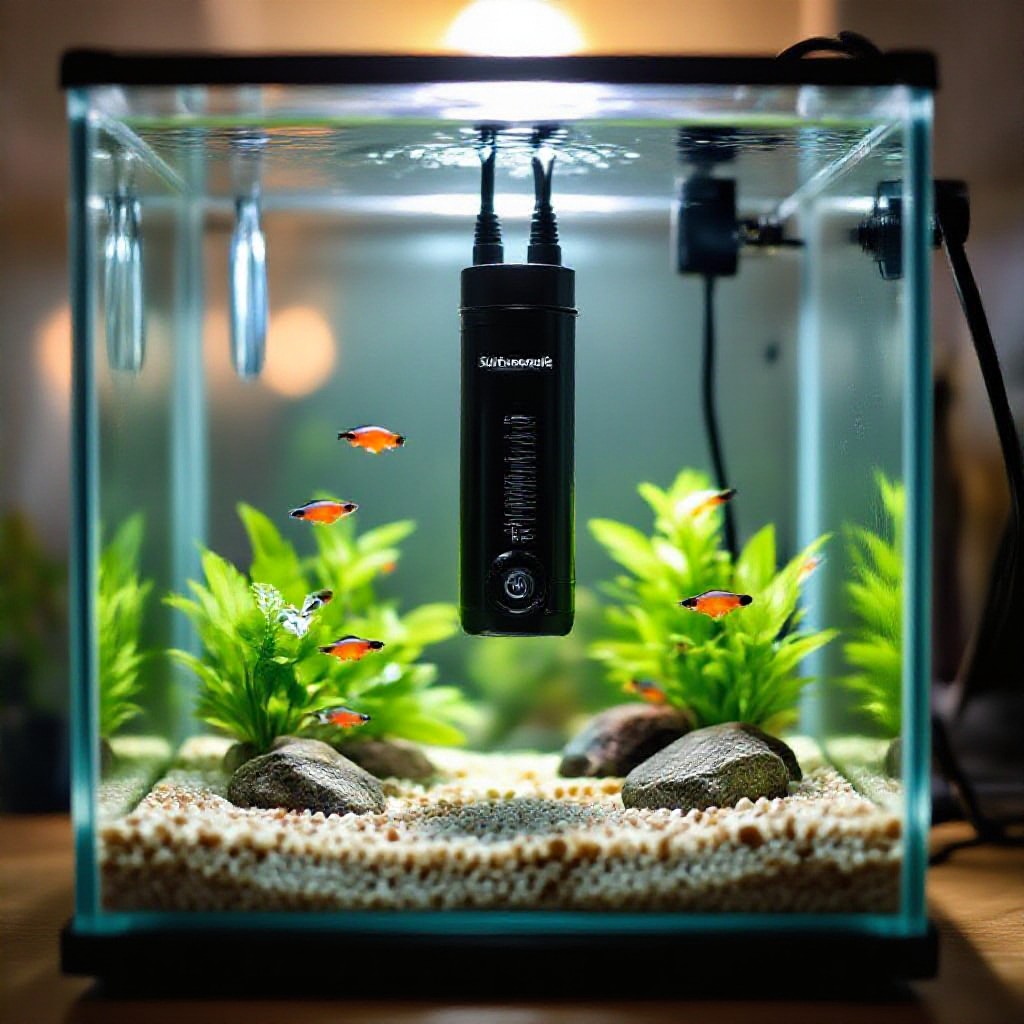
A: Fish need clean, temperature-controlled water with enough space to swim naturally. A tank of at least 5 gallons or more-depending on the species-is crucial. It should include a filter to remove waste, a heater for tropical fish, and regular water testing. Adding plants, hiding spots, and appropriate substrate helps mimic a natural habitat and reduces stress.
Q: Is it true that betta fish can live in small bowls?
A: No, this is a common myth. While bettas are often sold in tiny cups or bowls, they do not thrive in such conditions. Bettas need a minimum of 5 gallons of heated, filtered water to stay healthy. They are tropical fish that require stable temperatures between 76°F and 82°F. A bowl cannot maintain these conditions and often leads to lethargy, illness, and early death.
Q: Can any fish survive in a bowl long-term?
A: Very few fish, if any, can live in a bowl long-term without suffering. Even so-called “low-maintenance” fish like goldfish produce a lot of waste and grow much larger than people expect. They need 20 gallons or more as adults. Some small invertebrates like snails might survive slightly longer, but even they benefit from better conditions. No responsible care plan includes a bowl as a permanent home.
Q: What are better alternatives to fish bowls?
A: A properly set up aquarium is the best alternative. Start with a 5- to 10-gallon tank equipped with a filter, heater (for tropical species), and a light. Choose fish that match the tank size and temperament. A planted tank with hiding places and open swimming areas supports natural behaviors. Regular water changes and testing keep the environment safe and stable.
Q: Why do pet stores still sell fish bowls?
A: Pet stores sell fish bowls because they are cheap, visually simple, and often marketed as decorative items. Some customers buy them without knowing the harm they cause. Misinformation and outdated practices keep bowls on shelves. Educating buyers and promoting humane fishkeeping can help reduce their use and improve animal welfare.