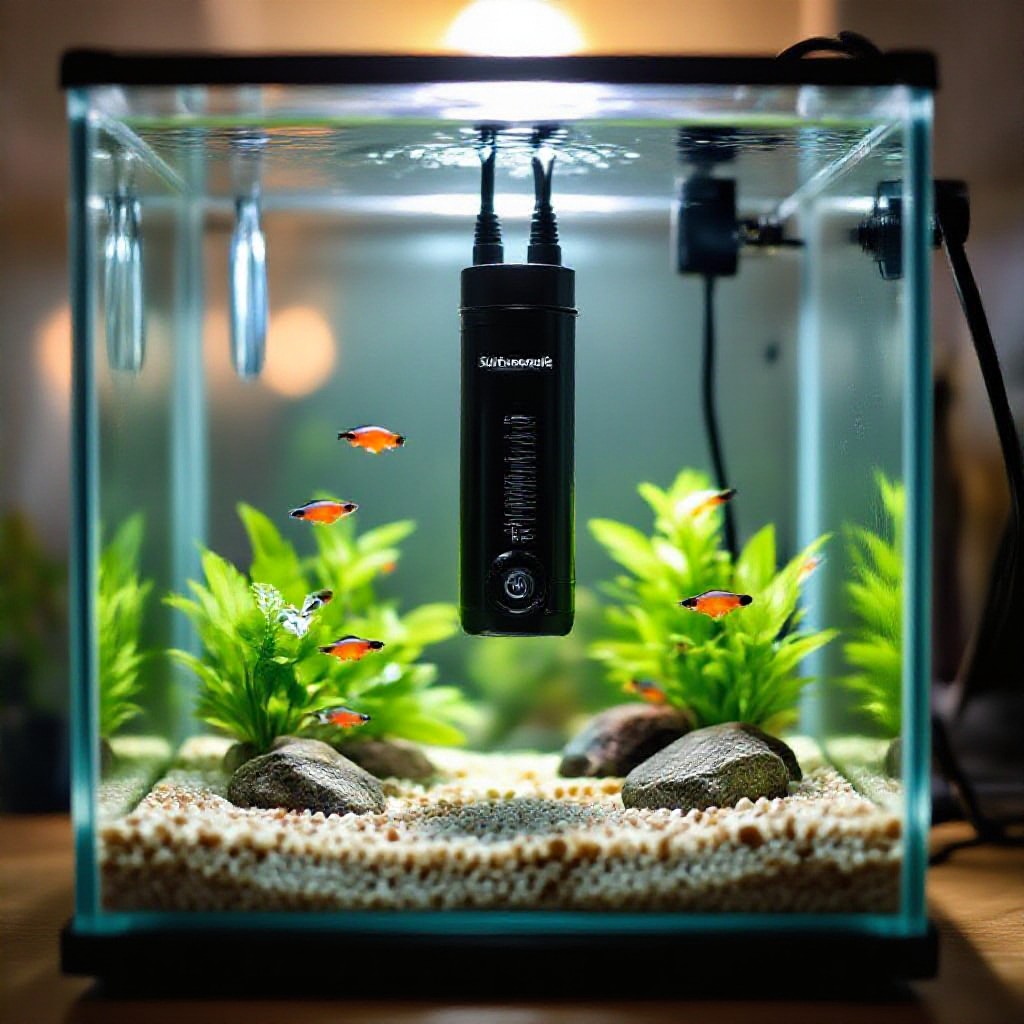
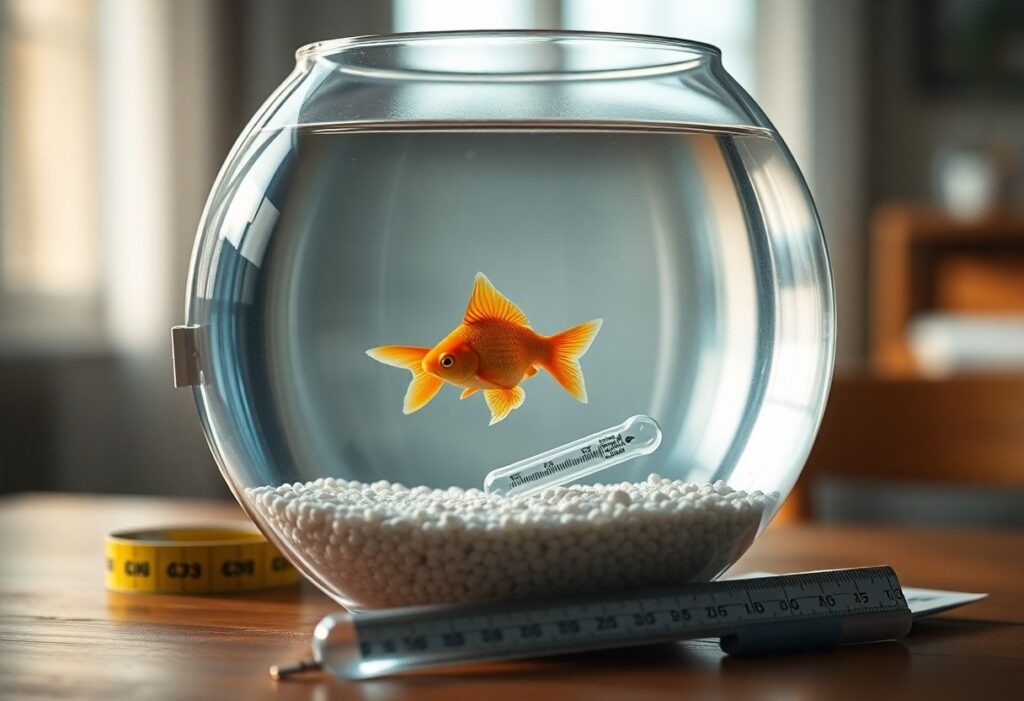
Reading an aquarium thermometer sounds simple, but the number is only useful when it represents the aquarium water rather than a temporary hot, cold, or sunlit spot. Start by identifying the thermometer type, placing it where it can settle, and comparing a surprising number before you make a heater adjustment. This avoids chasing a reading that comes from placement, a weak battery, or a device that has not had time to respond.
This guide explains how to read the most common aquarium thermometers and how to respond when the number does not fit the tank’s normal pattern. It is not a substitute for the instructions supplied with your exact thermometer or heater.
Quick answer: read the water, then check the context
Read the displayed temperature after the thermometer has been in a stable, representative location long enough to settle. Do not interpret a number beside the heater, filter return, direct sun, or an open window as the temperature of the entire aquarium. When the reading looks unusual, compare a second thermometer before changing the heater setting.
Aquarium temperature is one part of a broader care check. A sudden shift, unusual fish behavior, equipment damage, or poor water conditions calls for a wider investigation of heater operation, circulation, maintenance, and water quality.
Identify the thermometer before reading it
Glass or alcohol thermometer
Read the point where the colored liquid column ends against the printed scale. Look straight at the scale rather than from a steep angle, and leave the unit mounted while you read it. Moving a glass thermometer into the air changes what it is measuring and can make an otherwise normal result look confusing.
Digital thermometer with a probe or sensor
Read the number on the display only after the sensor is in its intended position and the display has stopped changing. Check the manual to learn whether the sensor, wire, display, and battery compartment are water-safe. A slow, flickering, or implausible digital display may need a battery or placement check, not an immediate heater adjustment.
Exterior liquid-crystal strip
A stick-on strip changes color across a temperature band. Read the color guidance printed on that exact strip because displays vary. A strip is useful for a quick trend, but use a separate thermometer to confirm a surprising result before making a decision about heating equipment.
Give the thermometer time to settle
A thermometer needs time to respond after you install it, move it, clean nearby equipment, finish a water change, or open the lid for maintenance. The exact time depends on the product and water movement, so follow the manufacturer instructions. Avoid recording a number while it is still visibly changing or immediately after moving the device.
This is also why one rushed comparison does not establish that a heater is wrong. Let the aquarium return to normal operation, then read the thermometer at the same normal time of day on more than one occasion. Consistent observations are more useful than repeatedly turning a heater dial.
Make a small routine note when you are establishing a baseline: the date, approximate room conditions, thermometer location, and whether normal equipment is operating. You do not need to log every decimal forever. A few comparable readings make it easier to recognize a change that deserves a closer look.
Read it in a representative location
For most aquariums, place the sensing part away from the heater and in a part of the aquarium with normal water movement. A spot immediately beside a heater can show a local influence, while a location directly in a filter return can reflect a narrow stream of moving water. Keep the unit secure, readable, and clear of maintenance tools.
External heat and sunlight can affect what you see at the glass. Do not place an exterior thermometer where the glass receives direct sun or where a strong room draft changes the local surface. For the equipment-layout side of the decision, see where an aquarium heater should be placed.
Compare a surprising number safely
When the reading is unexpectedly high, low, or different from your usual pattern, use a second suitable thermometer as a cross-check. Place the two devices in comparable representative locations, allow both to settle, and record the results. Do not put an electrical component in water unless its instructions explicitly allow it.
A small difference does not automatically identify a defective device. Compare the product specifications, placement, battery condition, and any room-temperature influence. Fluval, for example, states a 2 F / 1 C accuracy window for its exterior 2-in-1 Digital Aquarium Thermometer; that statement applies to its product, not to every thermometer. The goal is to understand whether a result is stable and plausible before changing equipment.
Use a thermometer to verify a heater display
A heater setting or built-in display is not the same as an independent measurement of water elsewhere in the aquarium. Aqueon heater guidance advises using a quality, accurate thermometer to monitor aquarium water temperature. A separate reading is particularly helpful after installing a heater, changing the aquarium location, or noticing a change in room conditions.
If the thermometer and heater display do not agree, wait for the aquarium to settle, check placement, and take a second reading. Do not keep increasing or decreasing the setting in quick succession. Stop using equipment that is damaged, wet in an unintended area, overheated, or behaving outside the manufacturer’s instructions.
What to do when the number changes suddenly
First check for an ordinary explanation: a water change, an open lid, direct sun, a room-temperature shift, a filter or circulation change, a loose thermometer, or a weak battery. Then compare with a second reading. Check that the heater and its cord are dry and undamaged before following the exact model instructions.
Do not treat temperature as a complete diagnosis for fish behavior or water appearance. If something seems wrong, use an appropriate aquarium water parameters test kit, review circulation and maintenance, and seek appropriate aquatic or veterinary help for urgent animal-health concerns.
If a heater is too small, too large, or poorly matched to the aquarium environment, the thermometer will reveal the result but not correct the underlying equipment decision. Review the tank volume, room conditions, and published product guidance before changing equipment. The fish tank heater size guide is a planning reference, not a reason to bypass the heater manufacturer’s safety instructions.
Common reading mistakes
- Reading immediately after moving the thermometer or changing water.
- Mounting it beside the heater, filter return, sunny glass, or a draft.
- Adjusting the heater repeatedly before the aquarium stabilizes.
- Assuming an exterior strip and an in-water device must react in the same way.
- Ignoring a fading display, weak battery, cracked glass, loose suction cup, or damaged wire.
- Using a single number as the explanation for every water-quality or fish-health concern.
Frequently asked questions
Where should I read an aquarium thermometer?
Read it where it is securely installed in a representative part of the aquarium, away from direct heater influence, sunlight, and strong drafts. Keep its placement consistent so you can compare one routine reading with the next.
Why does my thermometer not match the heater display?
The devices may measure from different locations, have different tolerances, or not have settled. Check placement and product instructions, then compare a second thermometer before changing the heater setting.
How often should I read the thermometer?
Read it during regular care and whenever equipment, room conditions, or aquarium behavior changes. Regular checks establish what is normal for your own tank.