Aquarium fish rely on you to provide the right nutrition, and what’s in their food matters more than you think. Many commercial fish foods contain fillers like wheat and soy that offer little nutritional value, while high-quality options use fish meal, shrimp, spirulina, and necessary vitamins. Poor ingredients can cloud water and harm fish health, so always check labels for whole, natural components.
Key Takeaways:
- Fish food often contains fish meal, which is made from ground-up small ocean fish like anchovies and herring, providing imperative proteins.
- Many commercial fish foods include plant-based ingredients such as soy, wheat, and algae to balance nutrition and reduce reliance on animal sources.
- Vitamins and minerals are added to fish food to support immune function, coloration, and overall health in aquarium fish.
- Some fish foods use binders like gelatin or starch to hold the pellets together and prevent them from dissolving too quickly in water.
- Live, frozen, and freeze-dried foods like brine shrimp or bloodworms are popular supplements that mimic a fish’s natural diet.
The Harvest of the Deep
Some fish food ingredients come from marine sources such as small oily fish used for fishmeal and fish oil. Sourcing practices vary, so these ingredients can raise sustainability questions when supply chains are not well managed. If this matters to you, look for brands that explain their sourcing standards or use recognized sustainability certifications.
Fillers from the Field
You’ll often find grains like wheat, soy, and corn in fish food, added to stretch volume and reduce cost. While these fillers aren’t toxic, they offer little nutritional value for most aquatic species. Overreliance on plant-based fillers can lead to poor digestion and water pollution as uneaten food breaks down. Carnivorous fish especially struggle to process these ingredients efficiently. Always check the label-real protein should come first.
The Paint of the Reef
You’ve seen how natural ingredients shape fish health, but color plays a powerful role too. Many commercial fish foods contain synthetic pigments like canthaxanthin to enhance the vibrant hues of reef fish. While effective, excessive use can lead to unnatural coloration or health risks over time. You’re better served by foods using natural color enhancers such as spirulina or astaxanthin from krill.
The Fat and the Guard
You rely on fats in fish food for energy and insulation, but too much can clog filters and harm water quality. These lipids carry important fat-soluble vitamins like A, D, and E, which support immune function and growth. Your fish need a balanced profile-omega-3 and omega-6 fatty acids are especially important for vibrant color and reproduction. Watch ingredient lists: low-quality fillers often hide poor fat sources. Choose foods with marine oils listed near the top.
The Fire and the Shape
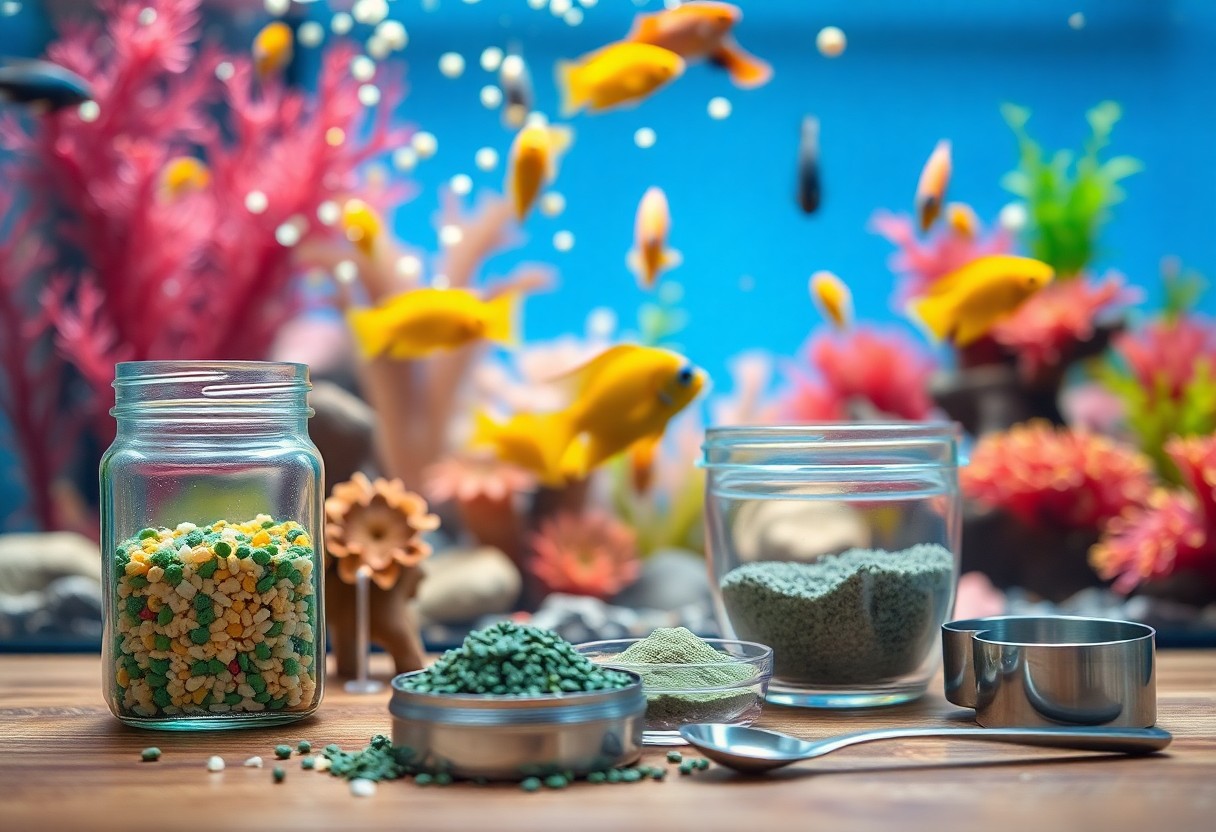
You see how heat transforms raw ingredients into stable, water-resistant pellets. High temperatures gelatinize starches, binding proteins and fats into durable forms. This process locks in nutrients while preventing rapid disintegration in water. Shape matters just as much-smaller fish need tiny, slow-sinking granules, while larger species require bigger, buoyant chunks. Wrong shapes lead to malnutrition or tank pollution.
The Truth on the Tin
You’ve seen the colorful labels and bold claims-“premium nutrition,” “enhances color,” “supports immunity.” What’s inside that tin matters more than the packaging suggests. Many commercial fish foods contain fillers like wheat and soy, which offer little nutritional value and can pollute your tank. Artificial dyes and preservatives are common, too, added to make pellets look appealing to you, not your fish. Always check the ingredient list: real fish meal, algae, and shrimp should top it, not mystery meals or binders. Your fish don’t care about marketing-they thrive on honesty in every flake.
Final Words
As a reminder, fish food is made from a blend of proteins, vitamins, minerals, and binders-often derived from fish meal, algae, or plant sources. You now know how formulation affects health, color, and growth. Choose products based on your fish species’ natural diet. Your aquarium’s success depends on informed, consistent feeding choices backed by clear ingredient understanding.
FAQ
Q: What is fish food made of in most commercial aquarium products?
A: Most commercial fish food contains a blend of fish meal, shrimp meal, soy protein, wheat flour, and added vitamins and minerals. Fish meal is made by drying and grinding fish parts not used for human consumption. These ingredients are mixed into pellets, flakes, or granules depending on the species the food is designed for. The exact formula varies by brand and target fish type, such as tropical fish, goldfish, or cichlids.
Q: Are there plant-based ingredients in fish food?
A: Yes, many fish foods include plant-based ingredients like spirulina, algae, soybean meal, and wheat germ. These provide fiber, protein, and imperative nutrients, especially for herbivorous or omnivorous fish. Spirulina, a type of blue-green algae, is common in tropical fish food because it supports coloration and digestion. Algae-based ingredients mimic natural food sources found in rivers and lakes.
Q: Do fish foods contain artificial colors or preservatives?
A: Some lower-quality fish foods use artificial colors to make the product look more appealing to buyers. These dyes do not benefit the fish and may cause stress in sensitive species. Preservatives like ethoxyquin or BHA are sometimes added to extend shelf life, but high-quality brands use natural preservatives such as vitamin E (tocopherol) or rosemary extract. Always check the ingredient list if you prefer natural options.
Q: Is live food better than processed fish food?
A: Live food like brine shrimp, daphnia, or blackworms closely resembles what fish eat in the wild. It can boost health, encourage natural feeding behaviors, and improve breeding success. However, processed foods offer balanced nutrition and are safer from parasites or bacteria. Many aquarists use a mix of both: processed food as a staple and live or frozen food as a supplement for variety and enrichment.
Q: Can I make my own fish food at home?
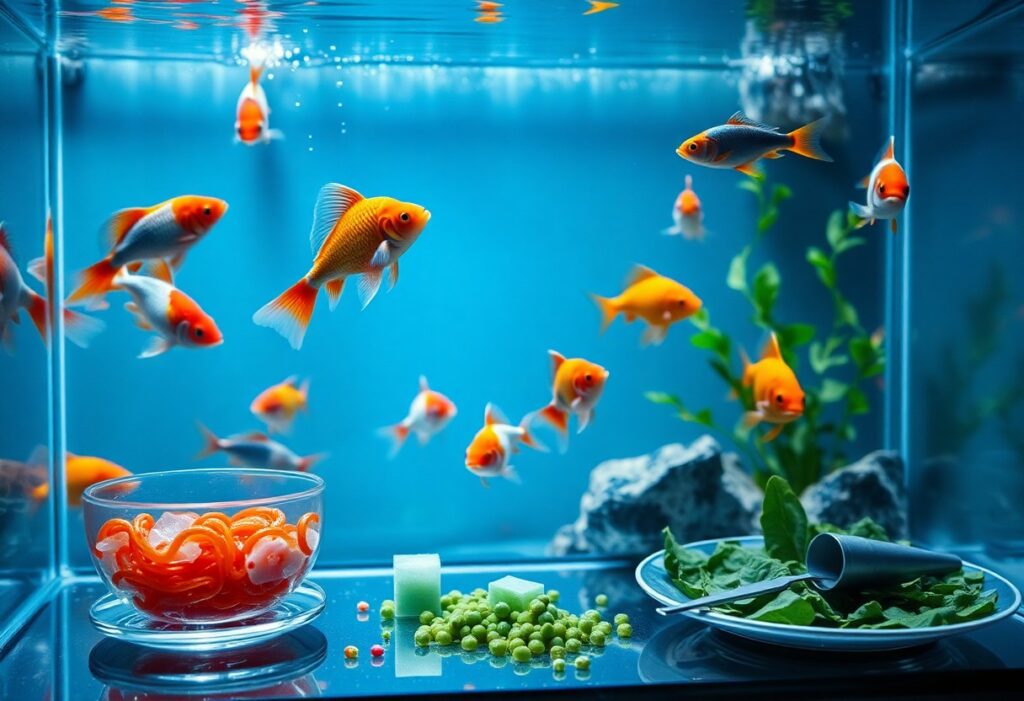
A: Yes, many hobbyists prepare homemade fish food using ingredients like boiled spinach, peas, egg yolk, shrimp, or fish fillet. These are blended and frozen in small portions for daily use. Homemade food allows control over ingredients and avoids fillers. However, it may lack balanced nutrition unless carefully formulated. It works best as a supplement to commercial food rather than a complete replacement.
Q: Why do some fish foods float while others sink?
A: Floating foods are designed for surface feeders like guppies or bettas. They stay on top for several minutes before breaking down. Sinking pellets or wafers are meant for bottom dwellers such as catfish or loaches. The density of the food is adjusted during manufacturing using air pockets or ingredient ratios. Choosing the right type ensures all fish in the tank get access to food.
Q: How does fish food affect water quality?
A: Poor-quality fish food can break apart quickly, clouding the water and increasing ammonia levels. Excess food that isn’t eaten decays and pollutes the tank. High-protein or fatty foods may leave oily films on the surface. Using high-quality food in proper amounts reduces waste. Feeding only what fish can consume in 2-3 minutes helps maintain clean, healthy water conditions.
Related aquarium guides
- Aquarium Gear Advice hub
- Fish food nutritional value and ingredients
- Fish food flakes vs pellets
- Can fish food go bad?
Read next: For live-food benefits, sourcing risks, and careful introduction, see Live Aquarium Fish Food: Benefits, Risks, and Safe Use.