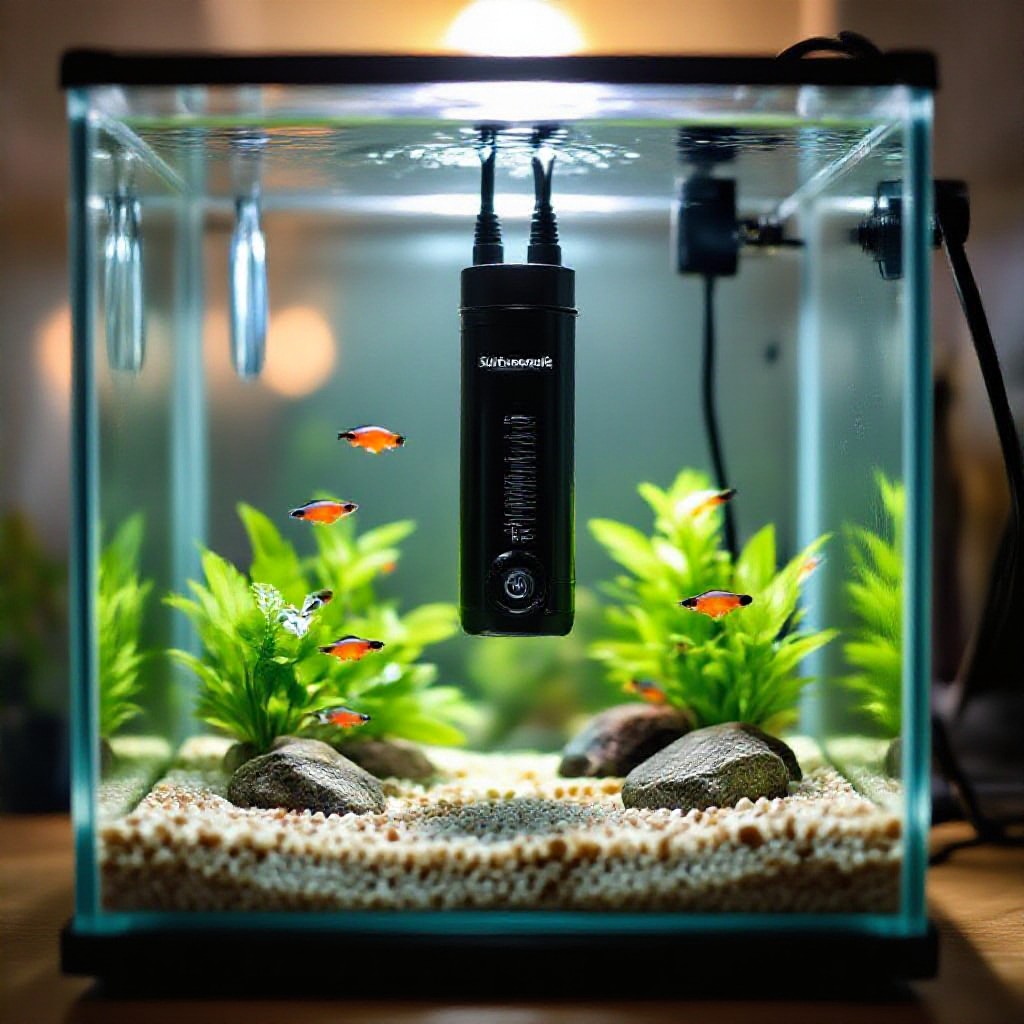
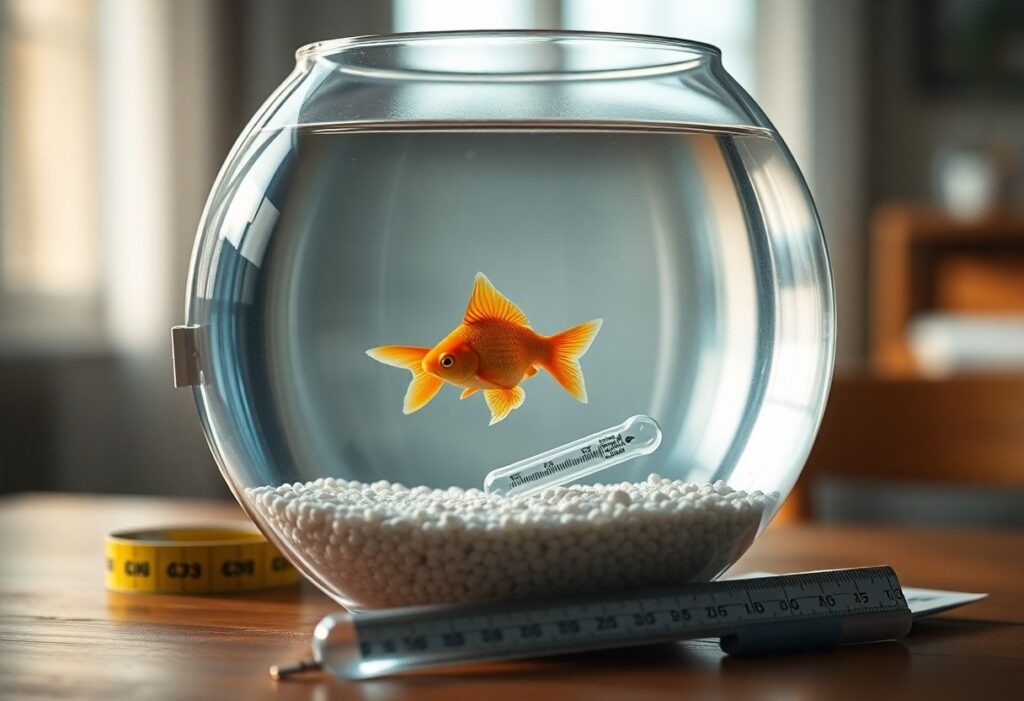
An aquarium thermometer is a small tool, but it gives you a separate reading of the water your fish actually live in. That matters because a heater dial, a room thermostat, and a display on a piece of equipment do not automatically describe the temperature everywhere in the tank. Use a thermometer to establish a normal range for your aquarium, notice an unexpected change, and check the water before making a large equipment adjustment.
The best choice is usually the one you can read easily, place consistently, and compare sensibly when something looks wrong. You do not need laboratory equipment for everyday care. You do need a thermometer that suits the tank, a placement that reflects the water rather than a local hot or cold spot, and a habit of investigating a surprising result before acting on it.
Quick answer: what should an aquarium thermometer do?
A useful aquarium thermometer should give a clear water-temperature reading without making installation or routine checks difficult. Select a type that suits the aquarium layout, then keep it in a stable location where the reading is not dominated by a heater, filter return, direct sun, or an open window. If a reading seems implausible, compare it with a second thermometer or another trusted method before changing the heater setting. If your setup uses an external controller, the aquarium heater controller guide covers compatibility and probe checks while keeping a separate thermometer.
A thermometer is a monitoring tool, not a replacement for water testing, filtration, or safe equipment setup. If fish show distress, equipment is damaged, or the temperature changes suddenly, check circulation, water quality, heater operation, and the aquarium environment together rather than assuming one number explains everything.
Common aquarium thermometer types
Internal glass or alcohol thermometers
These sit inside the aquarium and show temperature on a marked scale. Their main advantage is that the sensing part is in the water. Choose a model designed for aquarium use, secure it as its instructions specify, and make sure the scale can be read without moving the unit every day. Handle glass carefully during cleaning and avoid placing it where it can be struck by maintenance tools or a lid.
Digital probe or in-tank digital thermometers
A digital model can be easy to read at a glance, especially on a larger aquarium or a tank in a cabinet. Check whether the probe, wire, display, battery compartment, and mounting method are intended for the locations where you plan to use them. Keep any non-submersible parts dry, route wires so they are not pinched, and replace batteries according to the product instructions.
Exterior digital thermometers
Exterior-mounted units keep the display outside the glass. For example, Fluval describes its 2-in-1 digital model as a wireless unit mounted to exterior glass that monitors water and room temperature. That approach can be convenient when you want a large display without a probe or wire inside the tank. Read the maker’s stated accuracy and installation instructions rather than assuming every exterior device reacts in the same way.
Stick-on liquid-crystal strips
A strip on the outside glass is simple and has no battery, but it is best treated as a quick trend indicator. It can be useful for noticing that the displayed band has changed, yet a separate thermometer is the better choice when you need to confirm an unexpected reading or decide whether equipment needs attention.
Choose readability before extra features
The ideal display is one you can read from your normal maintenance position. Small marks, glare, a crowded cabinet, or a display hidden behind plants can make a technically suitable thermometer frustrating in daily use. Consider whether you need Celsius, Fahrenheit, or both; whether you will read it from above or through the front glass; and whether a large digital display is more useful than a compact in-tank device.
Extra features can be helpful, but only when they support your routine. Room-temperature display, alerts, wireless mounting, or a memory function do not remove the need to check the aquarium itself. A simple reliable reading that you review consistently is more useful than a complex display you stop looking at.
Where to place an aquarium thermometer
Place the thermometer where it reflects a representative part of the aquarium rather than the narrow area immediately beside a heater or filter return. For many tanks, that means using the opposite side from the heater or placing the sensing part in a zone with normal water movement. Let the device settle according to its instructions before treating the first number as meaningful.
Do not place a thermometer in direct sunlight, against a heat source outside the aquarium, or where an open lid exposes it to a strong draft. Those locations can make you react to a local condition instead of the water temperature across the tank. If you are also deciding on equipment layout, see where an aquarium heater should be placed for heater-specific placement considerations.
How accurate does an aquarium thermometer need to be?
For routine care, repeatable readings and a practical comparison check matter as much as a precision claim on the package. Manufacturers state different tolerances. Fluval, for example, states an accuracy window of 2 F / 1 C for its 2-in-1 exterior model. Treat that as a specification for that product, not as a promise for every thermometer.
When the number seems unusual, compare the aquarium reading with a second thermometer placed in a different representative location. Allow both devices time to settle. If the readings differ materially, do not immediately adjust the heater to chase either number. Inspect placement, battery condition, water movement, and the instructions for both units first. A consistent comparison over several checks is more informative than one hurried reading.
Use the thermometer to monitor trends, not just emergencies
Check the reading during regular feeding or maintenance and note what is normal for your particular tank. A gradual seasonal room change, a lid left open, a water change, or a different filter flow can affect what you see. A thermometer helps you notice that the normal pattern has shifted before you make an equipment decision.
Temperature is also one part of a wider water-quality picture. If behavior or water conditions concern you, use an appropriate aquarium water parameters test kit to check the relevant water conditions rather than treating a temperature reading as a complete diagnosis.
Check a heater display with a separate thermometer
Some heaters display a setting or an internal reading. A separate thermometer provides a useful check of the water away from that equipment. Aqueon heater guidance specifically advises using a quality, accurate thermometer to monitor aquarium water temperature. This is especially useful after installing a heater, moving the aquarium, changing the room environment, or noticing a reading that does not fit the tank’s usual pattern.
Do not use an unexpected thermometer result as a reason to repeatedly turn a heater dial up and down. First give the system time to stabilize, verify the thermometer location, and compare a second reading. If the heater is not operating as expected, follow its exact documentation and stop using damaged equipment. The fish tank heater size guide explains the planning factors behind heater capacity without replacing safe model instructions.
Special considerations for small and betta aquariums
In a small aquarium, a local warm or cool area can make placement especially important. Keep the thermometer secure and readable, and avoid allowing decor, a heater guard, or a filter outlet to hide the device. Use the reading to observe stability rather than trying to force a rapid correction after every minor change.
For a betta setup, temperature monitoring belongs with the whole setup: aquarium size, heater suitability, cover, flow, water quality, and the animal’s normal behavior. The fish tank heater for bettas guide covers the heater-choice side of that decision. It does not make a separate thermometer optional.
Common thermometer mistakes to avoid
- Reading the display while it is directly beside the heater, filter return, or sunny glass.
- Changing a heater setting repeatedly before the aquarium and thermometer have settled.
- Assuming an exterior strip provides the same confirmation as every digital or in-water model.
- Using a cracked, fogged, damaged, or poorly secured thermometer.
- Ignoring a weak battery, loose probe, damaged wire, or product instructions about water exposure.
- Treating one temperature reading as a diagnosis for all fish-health or water-quality problems.
Frequently asked questions
Do I need an aquarium thermometer if my heater has a display?
Yes, a separate thermometer is a sensible cross-check because it measures the aquarium water away from the heater’s own display or setting. Compare readings after they have stabilized, and investigate a meaningful difference before making a large change.
Is an internal or external aquarium thermometer better?
Neither is automatically best. An internal model places the sensing element in water, while an exterior digital model can be easier to read and keep free of probes or wires. Choose a product whose stated use, placement, accuracy, and display fit your aquarium and routine.
How often should I check my aquarium thermometer?
Check it as part of your regular care routine and whenever you change equipment, perform maintenance that affects the setup, or see an unexpected behavior or environmental change. The goal is to recognize the tank’s normal pattern and investigate meaningful deviations safely.
Related aquarium guides
- What size fish tank heater do I need?
- Where should an aquarium heater be placed?
- Fish tank heater for bettas
- Aquarium water parameters test kit