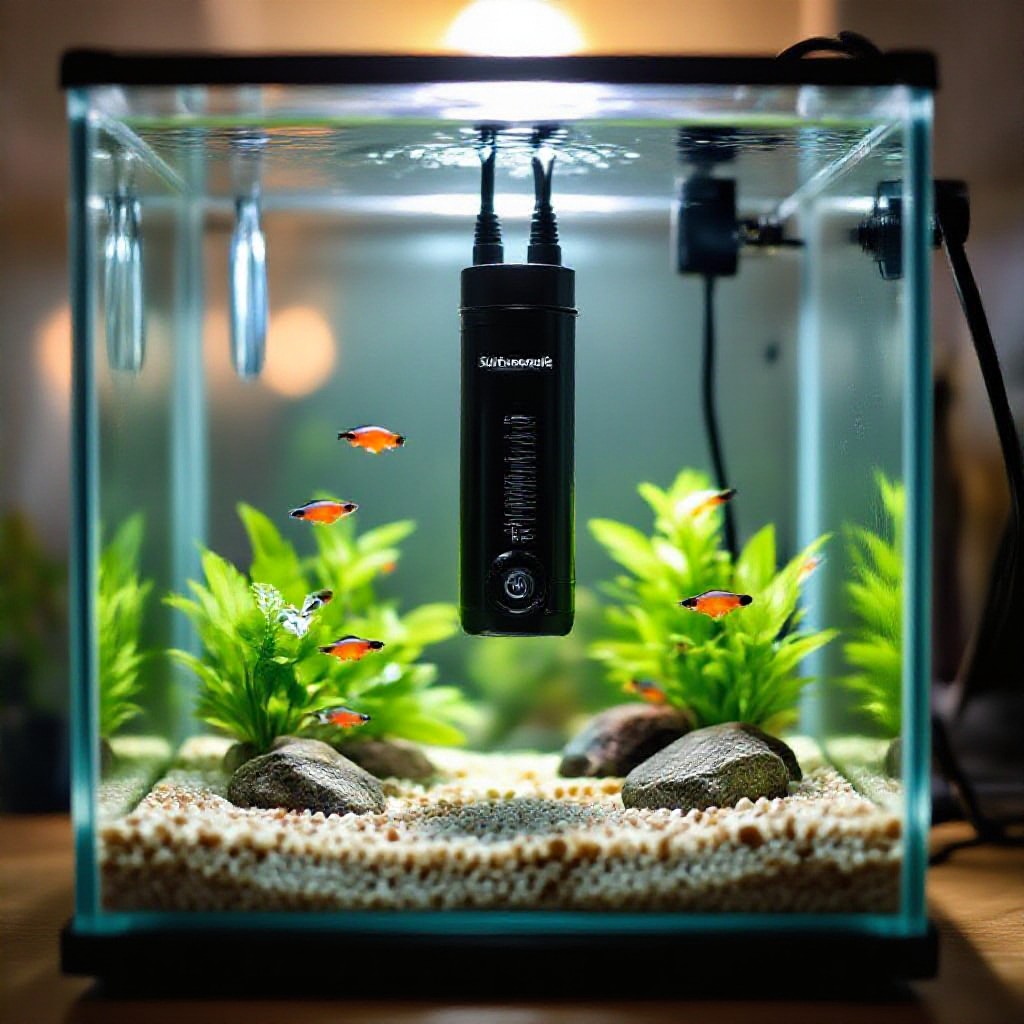
Many fish keepers overlook how often they should inspect fish tank filter cartridges, which can contribute to poor flow and water-quality problems. A 3-4 week checkup is a common starting point, but replacement timing depends on tank size, fish load, debris, and the cartridge design. Regular maintenance helps reduce waste buildup while protecting beneficial bacteria.
Key Takeaways:
- Filter cartridges should typically be replaced every 3 to 4 weeks, but the exact timing depends on tank size, fish load, and debris levels.
- Replacing the cartridge too often can disrupt beneficial bacteria that help maintain water quality, so partial changes or rinsing in old tank water may be better in some cases.
- Signs it’s time to change the cartridge include visibly dark or clogged media, reduced water flow, or lingering odors despite regular cleaning.
- Some filter systems use multiple media types-mechanical, chemical, and biological-and only the mechanical part (like foam or floss) usually needs regular replacement.
- Always check your filter manufacturer’s guidelines, as different models have specific maintenance schedules and cartridge types.
The Job of the Mesh
Your filter’s mesh works silently but plays a key role in keeping your tank clean. It acts as the first barrier, catching large debris before it clogs finer media. Without this layer, your biological and chemical filtration would degrade faster, risking water quality.
Trapping the Waste
Debris like fish waste, uneaten food, and plant fragments get caught in the mesh. This prevents them from breaking down in the water and releasing harmful ammonia. A clogged mesh reduces flow, so cleaning it regularly keeps your system efficient.
Moving the Stream
Water must flow smoothly through your filter to stay effective. The mesh helps guide this current, ensuring all water passes through each filtration stage. Poor flow means dirty water circulates longer, endangering your fish.
Proper water movement isn’t just about cleanliness-it supports oxygen exchange and prevents dead zones in your aquarium. When the mesh is blocked, flow drops, and stagnant areas form where harmful bacteria can thrive. You’ll notice slower bubbles or weak surface agitation, clear signs it’s time to rinse the mesh. Keeping it clear ensures your entire tank benefits from consistent, filtered circulation.
Signs of a Clogged Path
Your filter works hard to keep your tank clean, but a blocked path reduces its efficiency. If water flow slows or stops, water quality can decline. Poor circulation can allow waste compounds to build up and may reduce oxygen exchange. Watch for changes in behavior or surface gasping-these signal trouble. Address clogs quickly to maintain a healthy environment.
Watching the Outlet
Water should stream steadily from the filter’s outlet. If the flow sputters or trickles, the cartridge is likely clogged. This restricts oxygen exchange and filtration power. You’ll notice bubbles struggling to rise or a weak current. A strong, consistent flow means your system is working as it should.
Testing the Clarity
Cloudy water often means your filter isn’t keeping up. When particles linger instead of being trapped, the cartridge has lost effectiveness. Clear water reflects a healthy system. If visibility drops despite regular feeding and cleaning, it’s time to inspect or replace the filter media.
Clarity isn’t just about looks-it’s a direct indicator of water quality. When you test the water and see haze or floating debris, the filter cartridge may be saturated. Beneficial bacteria can’t thrive in a clogged environment, and ammonia levels may rise dangerously. Regular visual checks help you catch issues before they harm your fish. Replace the cartridge promptly if clarity doesn’t improve after cleaning.
The Four Week Rule
Most fish tank filter cartridges need replacement every four weeks to maintain clean, safe water. Waiting longer risks harmful waste buildup that threatens fish health. This rule balances efficiency and safety, especially in moderately stocked tanks.
Standard Replacement
You should swap out your filter cartridge every month without exception. Regular changes prevent toxins from accumulating and keep beneficial bacteria in check. Skipping replacements strains your tank’s ecosystem and invites avoidable problems.
Assessing the Damage
You can tell a cartridge is failing when water turns cloudy or flow slows. Visible debris and reduced filtration mean it’s time to act. Ignoring these signs puts your fish at risk of stress or disease.
Look closely at your used cartridge-if it’s clogged with sludge or smells foul, it’s no longer functioning. Even if it looks okay, a month is the maximum lifespan. Old cartridges harbor harmful bacteria and lose mechanical efficiency, so timely replacement protects your entire tank.
Protecting the Small Life
Every time you clean your tank, you’re not just caring for fish-you’re safeguarding an entire microscopic ecosystem. Beneficial bacteria living in filter media are vital for breaking down harmful ammonia, and replacing cartridges too often can crash your cycle. Keep your tiny allies alive by avoiding full filter overhauls.
The Danger of Tap Water
Tap water can kill the good bacteria your tank depends on. Chlorine and chloramines in untreated water destroy microbial colonies instantly, leading to toxic spikes. Always use a dechlorinator when rinsing filter parts or doing water changes to protect your tank’s invisible helpers.
Keeping the Old Pad
Discarding the entire filter media at once risks eliminating all your beneficial bacteria. Instead, keep the old pad when installing a new one. This preserves the colony and ensures continuous biological filtration without dangerous ammonia surges.
Retaining part of the old filter pad isn’t just a tip-it’s a lifeline for your aquarium’s balance. That slimy, worn piece holds millions of bacteria actively processing waste. By rinsing it in tank water and placing it alongside the new cartridge, you maintain filtration strength and prevent deadly nitrogen cycle disruptions.
The Death of the Carbon
You’ve likely noticed your tank water losing clarity or holding odors despite regular cleaning. That’s because activated carbon in your filter cartridge stops working long before it visibly degrades. Once its adsorption capacity is spent, it no longer removes toxins or discoloration, leaving your fish exposed to harmful compounds.
The Black Stones
Those black granules in your cartridge are activated carbon, designed to trap impurities. Over time, they become saturated and lose effectiveness. They won’t regenerate on their own, so relying on them past their lifespan compromises water quality and fish health.
Clogged Pores
Pores in the carbon fill with organic waste and chemicals until no space remains. When this happens, filtration efficiency drops sharply. You might see slower water flow or lingering cloudiness-clear signs the cartridge has reached its limit.
Each pore in the carbon acts like a microscopic trap for pollutants. Once clogged, the carbon can’t capture new contaminants and may even leach back absorbed toxins into the water. This reversal poses a serious risk to sensitive species, making timely cartridge replacement important for stable, healthy aquarium conditions.
The Permanent Way
Establishing a long-term filtration strategy protects your fish and stabilizes water conditions. Replacing disposable cartridges too often disrupts beneficial bacteria, undermining biological balance. Instead, focus on sustainable media that last and support healthy tank ecosystems without frequent changes.
Coarse Sponges
These sponges trap large debris and extend the life of finer filter stages. Cleaning them monthly in old tank water preserves helpful bacteria while maintaining flow. Never rinse under tap water-chlorine kills the microbes your aquarium depends on.
Ceramic Rings
Ceramic rings provide massive surface area for beneficial bacteria to colonize. They require no replacement under normal conditions, only occasional gentle rinsing to remove clogs. Their durability makes them a smart, long-term choice for biological filtration.
Over time, ceramic rings become densely populated with nitrifying bacteria that convert harmful ammonia into safer nitrates. This biological process is important for fish health and water clarity. As long as water flows freely through them, they can last for years without losing effectiveness-making them one of the most reliable media available.
To wrap up
With these considerations, you now know how often to change your fish tank filter cartridges. Most require replacement every 3-4 weeks, but your tank’s size, fish load, and filter type influence the exact timing. Regular checks keep your water clean and your fish healthy. Stick to a consistent schedule based on your setup for best results.
FAQ
Q: How often should I change my fish tank filter cartridge?
A: Most filter cartridges should be replaced every 3 to 4 weeks. This timing helps maintain clean water and supports healthy biological filtration. Over time, cartridges collect debris and lose effectiveness. Changing them regularly prevents clogs and keeps water flow strong. Always check your filter model’s manual, as some brands may recommend different intervals.
Q: Can I clean and reuse my filter cartridge instead of replacing it?
A: Some cartridges can be rinsed gently in old tank water to remove debris, but they should not be cleaned with tap water. Chlorine in tap water kills beneficial bacteria. Even with rinsing, cartridges degrade over time and lose their filtering ability. Foam or sponge inserts may last longer with careful cleaning, but carbon-based cartridges lose their effectiveness after a few weeks and must be replaced.
Q: What happens if I don’t change the filter cartridge on time?
A: A clogged or old cartridge reduces water flow and filtration efficiency. Waste particles and toxins like ammonia can build up, stressing fish and increasing the risk of disease. Cloudy water, bad odors, and algae growth are common signs of poor filtration. Regular cartridge changes help prevent these problems and keep the tank environment stable.
Q: Should I replace the entire cartridge or just part of it?
A: It depends on your filter setup. Some filters use multi-stage cartridges with separate mechanical, chemical, and biological media. You might only need to replace the chemical media (like activated carbon) every few weeks, while mechanical sponges can be rinsed and reused. Check your filter’s design to avoid replacing parts unnecessarily and to preserve beneficial bacteria.
Q: Is it safe to change the filter cartridge when I have fish in the tank?
A: Yes, it is safe to change the cartridge with fish present, but avoid replacing all filter media at once. Doing so can remove too many beneficial bacteria and disrupt the nitrogen cycle. Replace only the cartridge or chemical media, and leave biological media like sponges or ceramic rings in place. This keeps the tank’s biological balance intact.
Q: How do I know when the filter cartridge needs changing?
A: Watch for visible signs like brown or gray discoloration, reduced water flow, or noisy filter operation. If the water looks cloudy or smells unusual, the cartridge may be failing. Some filters have indicator lights or timers. When in doubt, refer to the 3- to 4-week guideline unless your tank has heavy bioload, which may require more frequent changes.
Q: Does tank size or fish count affect how often I should change the cartridge?
A: Yes, larger tanks with fewer fish may allow slightly longer cartridge life, while small tanks or those with many fish need more frequent changes. High waste production from overstocking or messy eaters like goldfish clogs filters faster. A heavily stocked tank might need cartridge changes every 2 weeks. Adjust your schedule based on your tank’s specific conditions.