Key Takeaways:
- Cleaning your fish tank filter too often can remove beneficial bacteria that help break down harmful ammonia and nitrites.
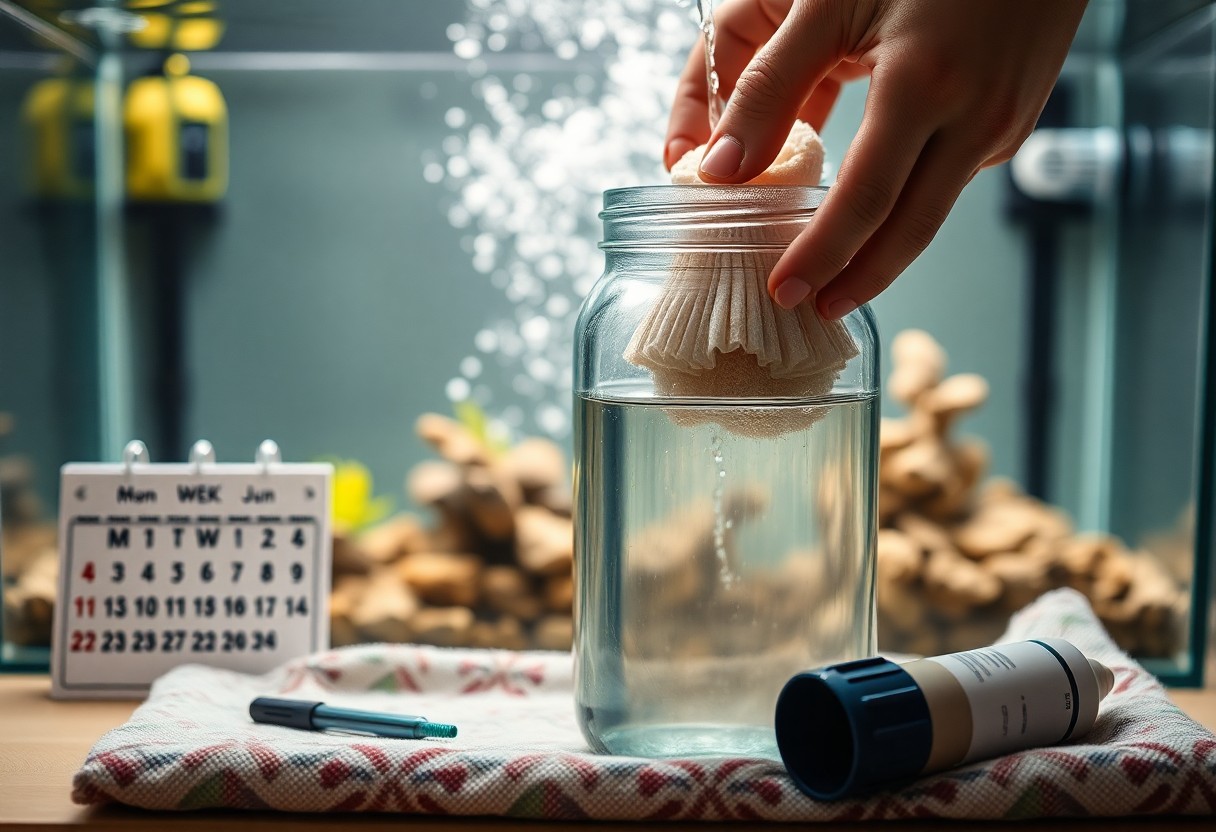
- Rinse filter media in old tank water during water changes instead of tap water to preserve good bacteria.
- Most filters only need cleaning every 3 to 6 weeks, depending on tank size, fish load, and debris buildup.
- Never replace all filter media at once-swap out parts gradually to maintain a stable bacterial colony.
- Watch for signs like cloudy water, slow flow, or rising ammonia levels to determine when cleaning is actually needed.
If ammonia or nitrite changes after filter maintenance, confirm the reading before making another large adjustment. See the best aquarium water test kit guide for a practical comparison of common test formats.
The Life in the Filter
Inside your filter lives a thriving colony of beneficial bacteria crucial to your tank’s health. These microorganisms break down harmful waste, turning it into less toxic substances. Disturbing them too often or too harshly can crash your cycle, leading to dangerous ammonia spikes. Your filter isn’t just mechanical-it’s a living ecosystem.
The silent workers
Bacteria quietly colonize every surface inside the filter media. They work nonstop to convert fish waste into safer compounds, keeping your water stable. You never see them, but their presence is what keeps your fish alive and thriving day after day.
The poison eaters
Nitrosomonas and Nitrobacter bacteria consume deadly ammonia and nitrite, transforming them into less harmful nitrate. Without these microbes, your fish would face toxic buildup within hours. They’re not just helpers-they’re your tank’s first line of defense.
These bacteria don’t appear overnight-they take weeks to establish fully. Scrubbing filter parts with tap water or replacing all media at once wipes them out instantly. Always rinse media in old tank water to preserve the colony, ensuring your invisible allies survive each cleaning.
The Time to Clean
You know it’s time to clean your fish tank filter when water flow drops noticeably or the water looks cloudy. Never wait until the filter stops working-by then, harmful toxins may already be building up. A consistent schedule prevents problems while protecting the beneficial bacteria imperative to your tank’s balance.
The monthly cycle
Most filters benefit from a light cleaning every four weeks. Monthly maintenance keeps debris under control without disturbing the bacterial colonies living in the filter media. You’re not trying to sterilize-just remove excess gunk so the system runs efficiently.
The slow flow
Reduced water flow is your first warning sign. A sluggish stream means clogged media or impeller issues, which stress fish and reduce oxygen levels. Address it quickly, but clean gently-rinsing filter parts in old tank water preserves the good bacteria.
When flow slows, don’t disassemble the entire filter. Focus on the sponge or floss where debris collects fastest. Use a cup of water siphoned from the tank to rinse these parts-tap water contains chlorine that kills beneficial bacteria. Replacing everything at once or scrubbing too hard can crash your cycle, leading to dangerous ammonia spikes.
The Good Water
Water quality directly impacts the health of your aquarium’s ecosystem. Beneficial bacteria thrive in stable, clean water, breaking down harmful ammonia and nitrites. You must maintain consistent parameters to protect these microbes while keeping fish safe. Sudden changes can disrupt this balance, risking a full tank crash.
The danger of tap
Tap water may seem safe, but it often contains chlorine or chloramine, chemicals lethal to good bacteria. Adding untreated tap water during filter maintenance can wipe out entire colonies. Always use a water conditioner to neutralize these toxins before introducing water to your tank.
The bucket of life
This bucket holds your tank’s lifeline-used aquarium water saved during changes. It preserves important bacteria and matches your tank’s chemistry, making it the only safe choice for rinsing filter media. Never use tap water directly on biological components.
Think of your bucket as a mobile extension of your aquarium. By storing old tank water, you retain billions of beneficial microbes needed to sustain the nitrogen cycle. When cleaning your filter, submerging sponges or bio-media in this water keeps bacteria alive and active. Using fresh tap water would kill off colonies responsible for detoxifying waste, leading to dangerous ammonia spikes. Always reserve this water before starting any maintenance.
The Sponge
Your filter’s sponge hosts most of the good bacteria that keep your tank’s ecosystem stable. It traps debris while providing a safe home for beneficial microbes. Cleaning it too harshly or too often can crash your cycle, so treat it with care every time you service the filter.
The muddy foam
You’ll notice the sponge often looks dark or muddy after weeks of use. This grime isn’t just dirt-it’s packed with living bacteria that break down fish waste. Never rinse it under tap water, as chlorine will kill these imperative microbes and harm your tank’s balance.
The gentle squeeze
Always rinse the sponge in removed tank water during a water change. Gently squeeze it to release trapped debris while preserving bacterial colonies. This simple step keeps the filter working efficiently without risking a harmful ammonia spike.
Using old tank water to clean the sponge ensures chlorine and temperature shocks don’t destroy the biofilm where bacteria thrive. Squeezing too hard or replacing the sponge entirely wipes out colonies that took weeks to establish. Preserving even 70% of the bacteria during cleaning helps maintain a stable, healthy aquarium environment long-term.
The Stones
You’ve likely seen how algae cling to stones at the bottom of your tank. These surfaces aren’t just decoration-they’re active hubs for beneficial bacteria. Over time, detritus builds up between them, which can cloud water if left unchecked. Cleaning them too aggressively disrupts bacterial colonies, so gentle handling is vital.
The house of bacteria
Your filter media isn’t the only place bacteria live-porous stones act as secondary homes. Disturbing them during cleaning can wipe out colonies that stabilize water chemistry. You should never boil or scrub them with tap water. Preserving these microbes keeps your fish safe from toxic ammonia spikes.
The light rinse
Rinsing filter sponges removes gunk without killing bacteria if done right. Always use tank water, never tap water-chlorine destroys beneficial microbes instantly. A quick swish removes debris while protecting the biofilm. This simple step maintains filtration and prevents crashes in biological balance.
Tap water seems harmless, but it contains chlorine and chloramines designed to kill microbes-exactly what you don’t want in your filter. When you rinse media, submerging it in a bucket of removed tank water loosens waste safely. You preserve the invisible army of bacteria that convert ammonia into less harmful nitrates. This method keeps your system stable and your fish healthy.
The Return
Returning filter media to the tank properly ensures your beneficial bacteria stay intact. Always place the cleaned components back in the same order they came out. Never rinse media under tap water-use only tank water to preserve the bacterial colonies imperative for a healthy ecosystem.
The proper order
Position your filter media starting with mechanical filtration, then chemical, and finally biological. Reversing the sequence can reduce efficiency and strain the system. You maintain optimal water flow and bacterial activity by following the manufacturer’s layout.
The moving river
Water should flow smoothly through each media layer like a natural river. Disruptions in flow starve good bacteria of oxygen and nutrients, weakening your tank’s balance. Keep all parts securely placed to sustain this vital movement.
Think of your filter’s water path as a living current. When water moves steadily through sponges, carbon, and ceramic rings, beneficial microbes receive a constant supply of ammonia and oxygen. Interrupting this flow-even briefly-can crash your cycle. Always check for blockages and align media to support uninterrupted circulation.
Final Words
Upon reflecting on how often to clean your fish tank filter without killing good bacteria, you recognize consistency and moderation are key. You clean only when flow slows, using tank water to rinse media gently. This preserves beneficial colonies while maintaining clarity and balance. Your routine supports a healthy, stable environment where fish thrive naturally.
FAQ
Q: How often should I clean my fish tank filter to keep the good bacteria alive?
A: Most fish tank filters need cleaning every 3 to 4 weeks. The exact timing depends on your tank size, number of fish, and filter type. Instead of following a strict calendar, check the filter media for visible debris and reduced water flow. Cleaning too often removes beneficial bacteria that break down harmful ammonia and nitrite. A light rinse in old tank water during a water change is usually enough to maintain function without disrupting the bacterial colony.
Q: Can cleaning the filter kill the good bacteria in my aquarium?
A: Yes, cleaning the filter too aggressively or using tap water can kill beneficial bacteria. These bacteria live on the surface of filter media like sponges, ceramic rings, and bio-balls. Scrubbing them with tap water introduces chlorine and chloramines, which are toxic to bacteria. Always rinse filter components in a bucket of water removed from the tank during a water change. Avoid replacing all media at once to preserve bacterial colonies.
Q: Should I turn off the filter when cleaning it?
A: Yes, always unplug the filter before removing it for cleaning. This prevents damage to the motor and keeps you safe from electrical hazards. Work quickly to minimize the time the filter is out of water, especially in warm tanks where bacteria can dry out and die. Keep the filter media moist during cleaning by submerging it in tank water to protect the bacteria.
Q: Is it safe to clean the filter during a regular water change?
A: Cleaning the filter during a water change is the best practice. The water removed from the tank can be used to rinse the filter media, avoiding chlorine exposure. This routine also helps maintain stable water conditions. Wait until after the water change to clean the filter so you don’t reintroduce debris into freshly cleaned water.
Q: What parts of the filter should I clean, and which should I leave alone?
A: Focus on mechanical filter media like sponges or filter floss that trap debris. These can be gently rinsed to restore water flow. Biological media such as ceramic rings or bio-balls should only be swirled in old tank water-never scrubbed. Chemical media like activated carbon should be replaced as directed by the manufacturer, usually every 3 to 4 weeks, but this doesn’t affect bacteria since it doesn’t host them.
Q: Can I replace my filter media completely?
A: Replacing all filter media at once removes most of the beneficial bacteria and can trigger a mini-cycle, spiking ammonia and nitrite levels. If new media is needed, add it gradually. For example, place new sponges or ceramic rings alongside old ones for 2 to 3 weeks before removing the old ones. This allows bacteria to colonize the new material safely.
Q: How do I know if my filter is too dirty or if the bacteria are still healthy?
A: A filter is too dirty if water flow is noticeably reduced or water bypasses the media. However, a thick biofilm or brown slime on media is normal and indicates healthy bacteria. Test your water regularly for ammonia and nitrite. If both are at 0 ppm, your bacterial colony is functioning well, even if the filter looks messy. Cloudy water or fish gasping at the surface may signal filter or bacterial issues needing attention.
Related aquarium guides
- Aquarium Gear Advice hub
- When to change fish tank filter cartridges
- Fish tank water change guide
- How much are fish tank filters?
Read next: Set up media around your filter water path with Aquarium Filter Media Order: A Beginner-Friendly Setup Guide.
Frequently Asked Questions
Can I rinse aquarium filter media under tap water?
For routine cleaning, gently rinsing dirty media in removed aquarium water can help preserve the established biological media. Follow the filter manufacturer instructions for your exact model and replace only media that is worn or no longer usable.
Should I replace all filter media at once?
Replacing every established piece at the same time can change the filter environment quickly. Replace only the part that needs replacement unless the manufacturer gives a specific reason to do otherwise.