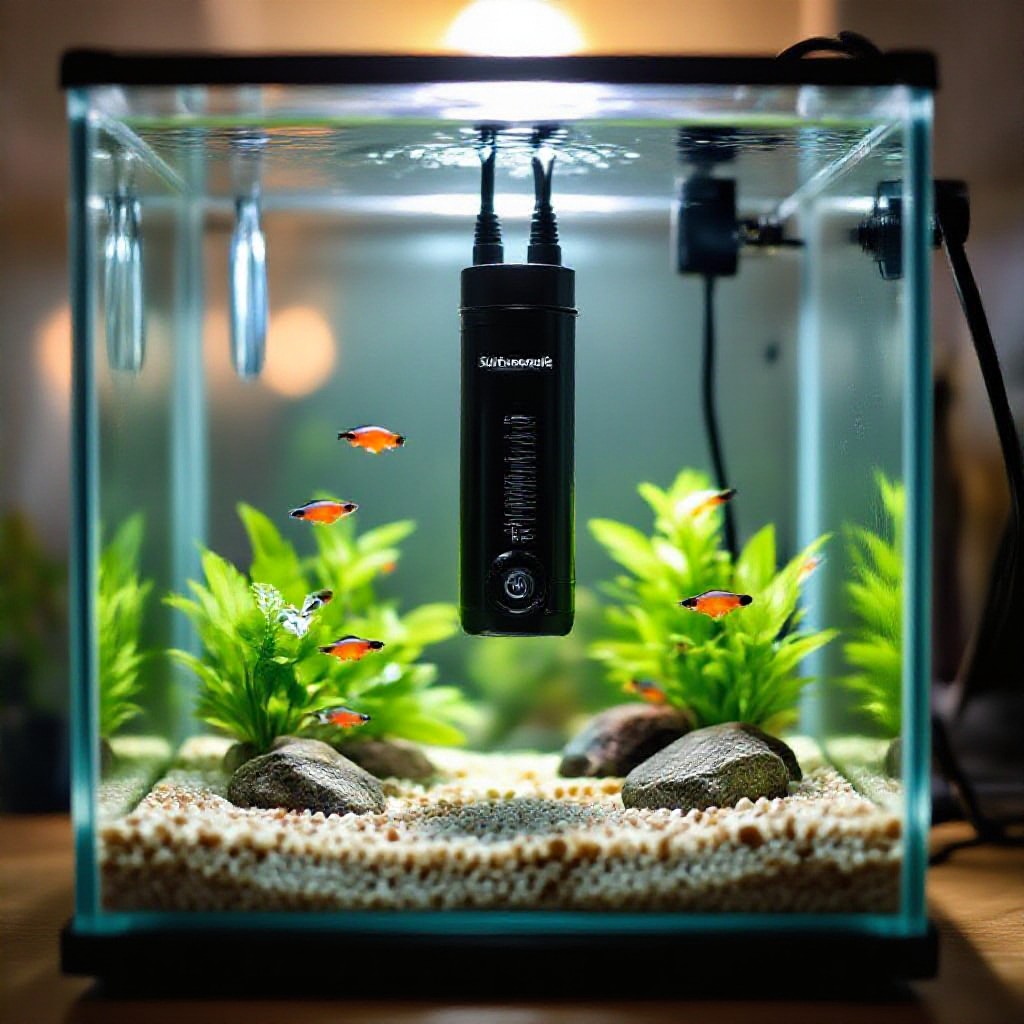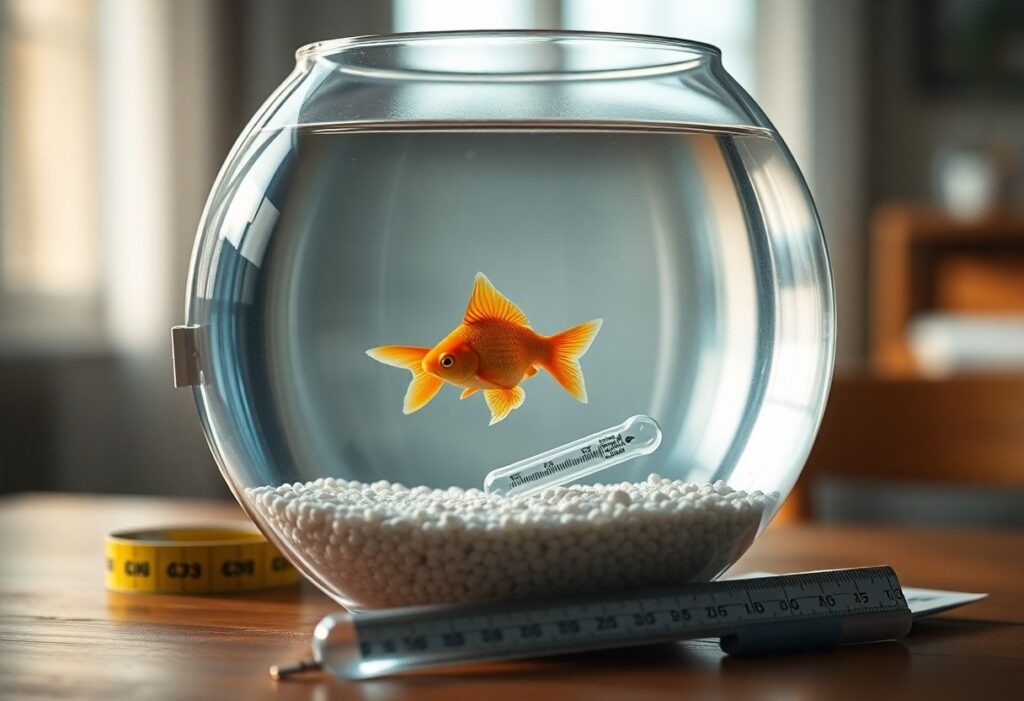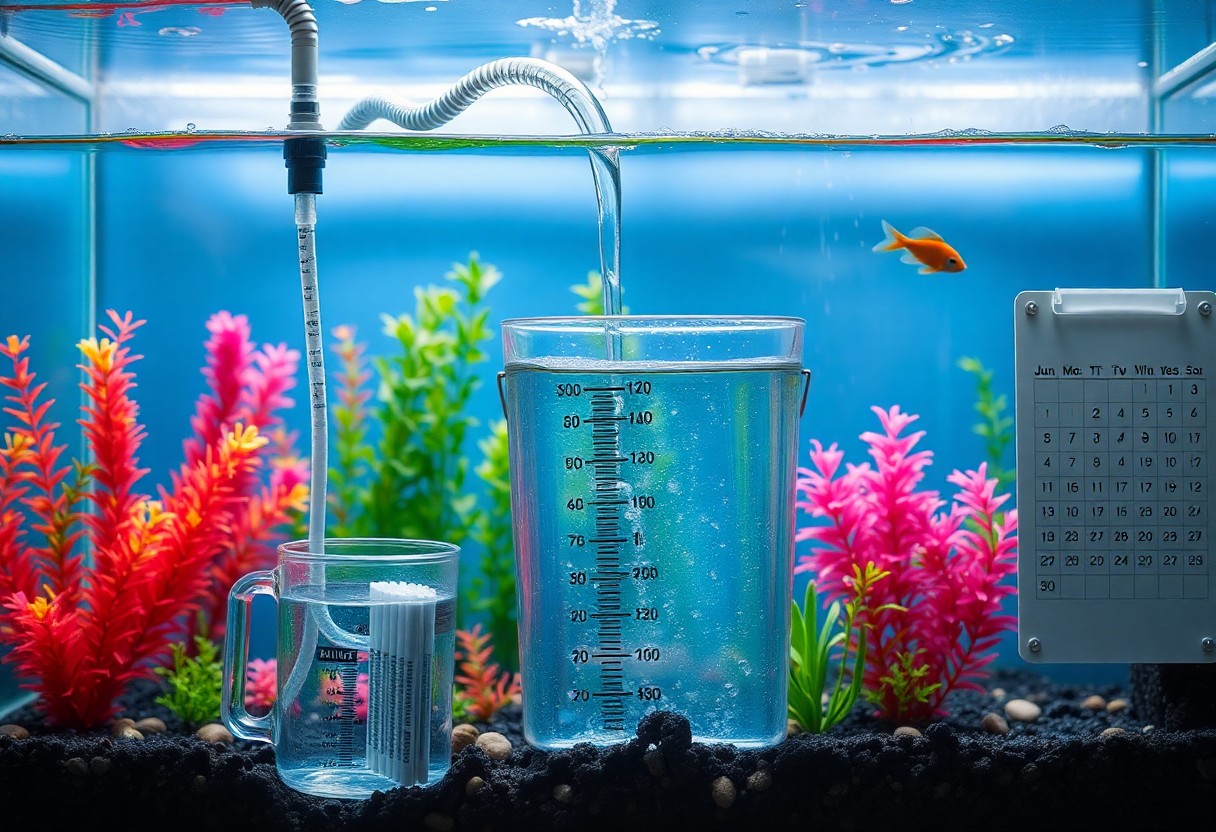
This guide shows you how often to change your fish tank water to keep your aquarium stable. Skipping regular water changes can allow waste compounds to build up, which may stress fish and reduce water quality. Changing 10-25% of the water weekly is a common starting point for many tanks, but the right schedule depends on stocking, filtration, feeding, and test results. Consistent maintenance helps reduce algae and disease risk.
Use measured results rather than appearance alone when adjusting the schedule. This aquarium water test kit guide explains how liquid tests, strips, and digital meters fit different routine checks.
Key Takeaways:
- Fish tank water changes should typically happen every 1 to 2 weeks, depending on tank size, fish population, and filtration system.
- Changing 10% to 25% of the water weekly helps remove waste buildup like ammonia, nitrites, and nitrates without stressing the fish.
- Overcleaning or doing full water changes can disrupt beneficial bacteria and harm water chemistry, leading to fish stress or illness.
- Use a siphon during water changes to clean debris from the substrate, which helps maintain better water quality between changes.
- Always treat tap water with a dechlorinator before adding it to the tank to protect fish from harmful chlorine and chloramines.
Crucial Factors Influencing Water Change Frequency
- Tank volume
- Stocking density
- Filtration systems
- Biological load
Your water change schedule depends on several key elements. Tank volume, stocking density, filtration systems, and biological load all shape how quickly waste accumulates. Any
Impact of Tank Volume and Stocking Density
Smaller tanks demand more frequent changes due to limited water dilution. Overstocked aquariums increase waste production rapidly. Ammonia and nitrate spikes happen faster in cramped environments. Any
Role of Filtration Systems and Biological Load
Efficient filters reduce how often you need to change water by processing ammonia and nitrates. Heavily stocked tanks strain even strong filtration. Biological balance hinges on matching filter capacity to fish count. Any
Filtration systems manage the breakdown of harmful waste through beneficial bacteria colonies. Canister or sponge filters with high biological media extend time between changes. However, overfeeding or too many fish overwhelms the system, leading to toxic ammonia buildup. Regular maintenance ensures peak performance and stable water conditions.
Common Types of Aquarium Water Changes
Different water change methods serve distinct purposes in maintaining your fish tank health. Whether you’re doing routine upkeep or responding to a crisis, knowing the types helps you act correctly. This
| Type | Purpose |
| Routine Partial | Maintain stable water parameters |
| Emergency Large | Correct ammonia or nitrite spikes |
| Deep Cleaning | Remove debris and algae buildup |
| Startup Cycling | Support beneficial bacteria growth |
Routine Partial Maintenance for Stability
You perform this weekly to keep nitrate levels low and replenish vital minerals. Removing 10-25% of the water regularly prevents sudden shifts in chemistry. This
Emergency and Deep Cleaning Protocols
You act fast when toxins spike or the tank becomes heavily soiled. Large 50-75% water changes reduce ammonia and nitrite immediately. This
When fish show signs of stress or water tests reveal dangerous toxin levels, immediate action is required. Conduct a 50% water change, vacuum the substrate, and clean filter media with tank water to preserve bacteria. Repeat if needed until parameters stabilize. This
Pros and Cons of Different Maintenance Schedules
Choosing the right water change frequency impacts your tank’s stability and your fish’s health. Your approach shapes water quality, algae growth, and the overall balance of your aquarium ecosystem.
| Schedule | Pros and Cons |
| Weekly 10-15% | Stable parameters and low toxin buildup; requires consistent effort |
| Biweekly 20% | Balances effort and water quality; slight risk of ammonia spikes if overfed |
| Monthly 25-30% | Less frequent work; higher chance of algae outbreaks and stress |
| Every 2 weeks 10% | Gentle on fish; may not remove enough nitrates in stocked tanks |
| 5% daily | Extremely stable; impractical for most hobbyists |
| No schedule | High risk of system crashes; not recommended |
| Every 3 days 20% | Keeps nitrates low; may disrupt beneficial bacteria |
| 50% monthly | Deep clean effect; can cause temperature and pH shock |
| 10% every 3 days | Excellent for breeding tanks; time-consuming |
| Irregular large changes | Leads to stress and fish death; avoid this pattern |
Advantages of Frequent Water Refreshing
You maintain more stable water conditions when you refresh small amounts often. Toxins like ammonia and nitrate stay low, reducing stress on fish and promoting clearer water with less algae.
Potential Risks of Over-Cleaning and System Shock
You risk destabilizing your tank when changes are too large or too frequent. Sudden shifts in pH, temperature, or mineral levels can shock fish and harm the beneficial bacteria keeping your system balanced.
Drastic water changes remove imperative minerals and disrupt microbial colonies that break down waste. If you replace more than 50% of the water at once, fish may gasp, hide, or die due to osmotic shock. Even with clean water, stability matters more than purity-your tank thrives on consistency, not sterility.
Step-by-Step Guide to a Safe Water Change
Follow this clear process to keep your aquarium stable and your fish healthy during each water change. Consistency and attention to detail ensure long-term success.
| Step | Action |
| 1 | Turn off heaters and filters |
| 2 | Siphon 10-25% of old water |
| 3 | Remove debris from substrate |
| 4 | Prepare new water with dechlorinator |
| 5 | Match temperature before adding |
| 6 | Refill slowly and restart equipment |
Equipment Preparation and Siphoning Techniques
You’ll need a gravel vacuum, bucket, and siphon starter. Begin by inserting the vacuum into the substrate to lift waste without harming fish. Never use household cleaners on your tools-residue can kill beneficial bacteria and fish.
Dechlorination and Water Temperature Matching
Your tap water must be treated before it enters the tank. Chlorine and chloramine are toxic to fish and can destroy your biological filter. Always use a quality dechlorinator.
| Factor | Guideline |
| Dechlorination | Treat every gallon of new water |
| Temperature | Match within 1-2°F of tank water |
| Container | Use clean, dedicated bucket only |
| Water Source | Use room-temperature tap water |
Temperature shock can stress or even kill fish, so always test with a reliable thermometer. Adding untreated or cold water is one of the most common mistakes beginners make. Treating and warming water in advance prevents sudden changes that harm your tank’s balance.
Essential Tips for Maintaining a Stable Ecosystem
Consistency keeps your aquarium thriving. Perform weekly water changes of 10-25% depending on stocking levels and tank size. Use a gravel vacuum to remove debris and maintain beneficial bacteria. Always treat new water with a dechlorinator. Assume that stability begins with routine.
- Weekly water changes prevent toxin buildup
- Test water parameters regularly for balance
- Preserve beneficial bacteria in filter media
- Match temperature and pH of new water carefully
Monitoring Nitrate and Ammonia Levels
You must check ammonia and nitrate levels weekly using a liquid test kit. Ammonia should always read 0 ppm-any detection risks fish poisoning. Nitrates should stay under 40 ppm for most species. Assume that invisible toxins are the biggest threat to tank health.
Best Practices for Minimizing Fish Stress
Keep noise and sudden movements near the tank to a minimum. Make sure lighting changes gradually, not abruptly. For planted tanks, this aquarium light for plants guide explains coverage and intensity. This guide to how much light aquarium plants need covers photoperiod and timer adjustments for a stable routine. Avoid overcrowding and maintain stable water temperature. Assume that calm conditions lead to healthier, more active fish.
Stress weakens fish immunity and can trigger disease outbreaks. Sudden changes in water chemistry, loud vibrations, or aggressive tank mates increase anxiety. Use a heater with a reliable thermostat to prevent temperature swings. Feed consistently and avoid overhandling during maintenance. Turning off the room lights briefly before servicing the tank helps ease transitions. Assume that a peaceful environment supports long-term fish vitality.
Conclusion
On the whole, you maintain a healthy fish tank by changing 10-25% of the water weekly. Consistent water changes prevent toxin buildup, support stable pH, and keep your fish thriving. Your diligence in routine maintenance ensures a clear, balanced aquarium environment where aquatic life flourishes naturally.
FAQ
Q: How often should I change the water in my fish tank?
A: Most beginner aquariums need a water change of 10% to 25% every 1 to 2 weeks. The exact frequency depends on tank size, number of fish, and filtration. Small tanks with more fish may need weekly changes, while larger, lightly stocked tanks can go two weeks between changes. Regular testing of water parameters helps determine the right schedule for your setup.
Q: Can I change too much water at once?
A: Yes, replacing more than 50% of the water in one go can shock your fish. Sudden changes in temperature, pH, and mineral levels stress fish and disrupt beneficial bacteria. Stick to changing 10% to 25% weekly or biweekly. If a major water issue occurs, like high ammonia, do a partial change and retest before removing more water.
Q: Do I need to remove the fish during a water change?
A: No, fish do not need to be removed during routine water changes. The process is safe when done correctly. Use a gravel vacuum to clean debris from the substrate while siphoning out old water. Keep new water at the same temperature as the tank to avoid stressing the fish.
Q: What kind of water should I use for refilling the tank?
A: Always use dechlorinated water. Tap water contains chlorine and chloramines that harm fish and beneficial bacteria. Treat new water with a water conditioner before adding it to the tank. Let the treated water reach room temperature if needed, especially if your tank is heated.
Q: How do I know when it’s time for a water change?
A: Test the water weekly for ammonia, nitrite, and nitrate levels. If nitrates rise above 40 ppm, it’s time for a water change. Cloudy water, algae growth, or a strong odor are also signs. Even if the tank looks clean, regular partial changes prevent invisible toxin buildup.
Q: Should I clean the filter during a water change?
A: Rinse filter media in old tank water removed during the water change. Tap water kills beneficial bacteria living in the filter. Replace filter media only when it’s falling apart or according to the manufacturer’s instructions. Over-cleaning reduces biological filtration and can cause water quality issues.
Q: Can I skip water changes if my tank looks clean?
A: No, clear water doesn’t mean safe water. Harmful compounds like nitrates build up over time even in well-maintained tanks. Fish waste, uneaten food, and decaying plants release toxins that aren’t visible. Skipping changes leads to poor fish health, stress, and increased disease risk. Stick to a consistent schedule regardless of appearance.
Related aquarium guides
- Aquarium Gear Advice hub
- How often to clean a fish tank filter
- When to change fish tank filter cartridges
- How much are fish tank filters?
For a clearer testing plan, see which readings to track in this aquarium water parameters test kit guide.
Frequently Asked Questions
Should I change all the water in a fish tank at once?
For routine maintenance, a partial water change is usually a gentler approach than replacing all aquarium water at once. The right amount depends on water-test results, stocking, and the condition of the aquarium.
Do fish stay in the tank during a normal water change?
During a standard partial water change, fish usually remain in the aquarium. Work slowly, match the new water appropriately, and avoid sudden temperature or water-chemistry changes.